Source three fans laptop cooling pad with phone stand for Gaming, Office, and Travel
Compare 30 listings for a three fans laptop cooling pad with phone stand designed for laptops ranging from 12 to 17 inches. Buyers can evaluate options featuring ABS and metal materials, mute operation, and CE/ROHS/FCC standards from manufacturers in China.
Key considerations
Products List


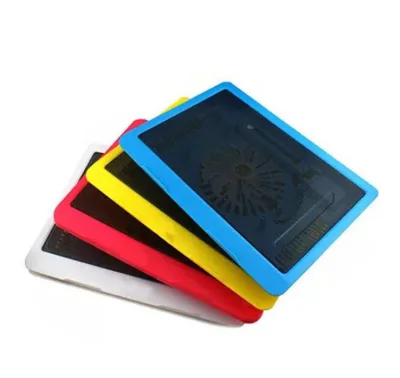
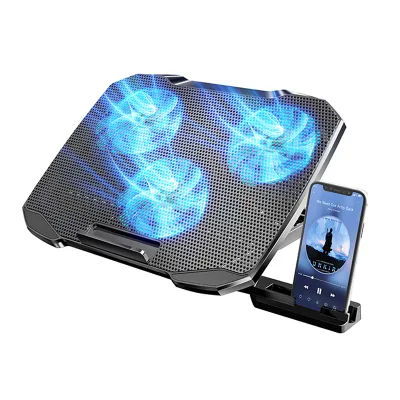
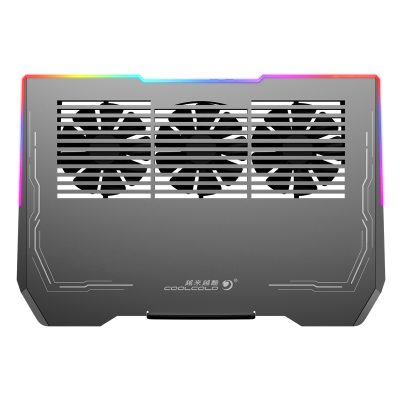
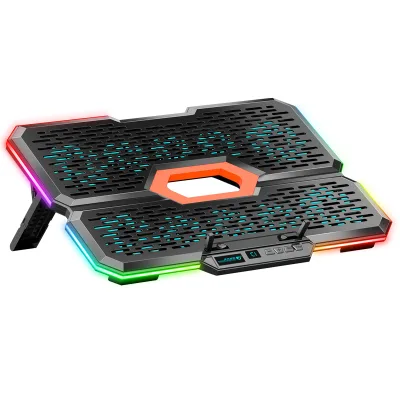


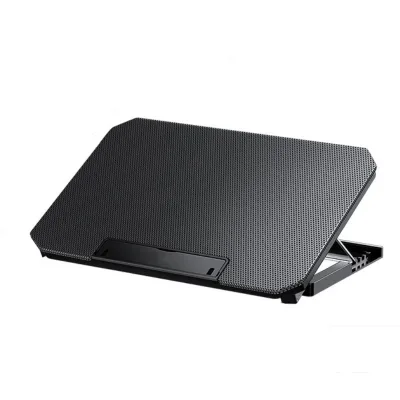

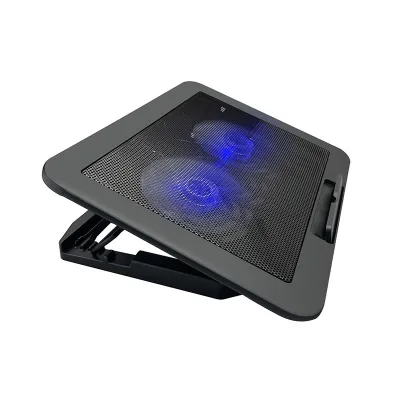
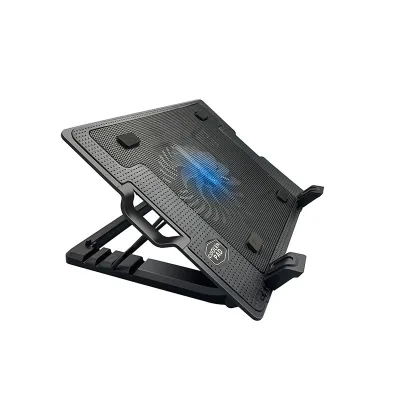
Comprehensive Sourcing Guide
Three Fans Laptop Cooling Pad Sourcing Guide
Sourcing a three-fan laptop cooling pad with a phone stand requires a careful balance between thermal performance, ergonomic utility, and supply chain reliability. The core keyword highlights a specific configuration where active air cooling is augmented by a secondary function, catering to users who multitask between computing and mobile devices. Buyers must navigate a market where product attributes vary significantly, from bearing types to material compositions, ensuring that the selected unit meets both technical requirements and aesthetic preferences. This guide provides a structured approach to evaluating suppliers, verifying specifications, and managing commercial risks associated with this category of computer accessories.
The procurement process begins with a clear definition of the end-user environment, whether it is for general office use, gaming, or portable travel. While the presence of a phone stand suggests a focus on modern, multi-device workflows, the primary function remains laptop thermal management. Buyers should prioritize suppliers who demonstrate transparency in their manufacturing processes and provide detailed technical documentation. Understanding the distinction between passive and active cooling solutions, as well as the specific design of the fan array, is essential for making informed purchasing decisions that align with brand standards and customer expectations.
Product Scope and Observed Listing Signals
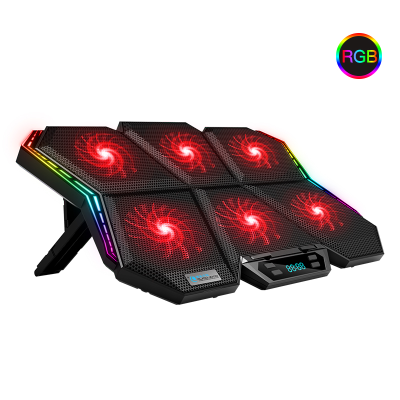
The observed market signals indicate a diverse range of products that may or may not fit the specific "three-fan" description, requiring buyers to scrutinize listing details carefully. Some observed models feature six fans, such as the HPJJ-1918, which operates at 2200 RPM and weighs 880g, while others are simpler laptop stands like the L05, which offers 360-degree rotation and is compatible with all laptop sizes. The presence of a phone stand is not explicitly confirmed in all observed listings, meaning buyers must verify this feature individually rather than assuming it is standard across all cooling pads. The price range observed spans from $0.1 to $100 USD, reflecting variations in material quality, fan count, and additional features like intelligent temperature control, which is notably absent in many observed units.
Material composition and physical dimensions are critical differentiators in this category. Observed materials include ABS plastic, aluminum, metal mesh, and engineering plastics, with some units combining ABS and aluminum for structural integrity. Dimensions vary widely, with some cooling pads measuring approximately 365x273x28mm, while others are larger or smaller depending on the fan configuration. The carton sizes observed, such as 72x39.5x27.4cm or 70.5x44.5x31.6cm, provide insight into the bulk packaging efficiency, which impacts shipping costs. Buyers should note that some products are marketed as "mute" or "air cooling" types, but these attributes should be validated through sample testing to ensure they meet the desired noise and performance thresholds.
Technical Specifications to Verify
Verifying the technical specifications of a three-fan cooling pad is essential to ensure compatibility with target laptops and desired performance levels. Buyers should confirm the fan bearing type, as sleeve bearings are commonly observed and offer a balance of cost and durability, though they may have a shorter lifespan compared to ball bearings. The power input is typically 5V, which is standard for USB-powered devices, but the current draw and total power consumption should be verified to ensure compatibility with various USB ports on different laptops. Additionally, the presence of intelligent temperature control is not guaranteed in all observed models, so buyers must explicitly request this feature if automatic speed adjustment based on thermal sensors is required.
The physical design and ergonomic features must also be rigorously checked. The inclusion of a phone stand is a key differentiator, but its stability and adjustability should be assessed through product samples. Buyers should verify the material of the heatsink and the overall chassis, as plastic components may offer lighter weight but less heat dissipation compared to aluminum or metal mesh alternatives. The size compatibility is another critical factor; while some products claim suitability for 12-17 inch laptops, the actual footprint and fan placement must align with the specific laptop models being targeted. Furthermore, the noise level, often described as "mute" in listings, should be measured in decibels under load to ensure it meets office or residential environment standards.
Compliance and Safety Documentation
Compliance with international safety and environmental standards is non-negotiable for B2B procurement of electronic accessories. Observed products frequently cite CE, ROHS, and FCC certifications, which indicate adherence to European and American regulatory requirements for electromagnetic compatibility and hazardous substance restrictions. Buyers must request valid certification documents from suppliers to verify that these standards are met and are not merely marketing claims. The origin of the products, often listed as Shenzhen or Guangdong in China, should be cross-referenced with the certification bodies to ensure authenticity and traceability.
In addition to regulatory compliance, buyers should inquire about the product's standard specifications and packaging requirements. Some suppliers offer customized packaging, such as color paper boxes or standard cartons, which can impact branding and unboxing experience. The product model numbers, such as CP-252, CP-253, CF-Q3, and others, should be used to track specific versions and ensure consistency in future orders. Buyers must also verify that the materials used, including ABS and aluminum, are free from harmful substances and comply with ROHS directives. Ensuring that the supplier provides a comprehensive compliance package, including test reports and material safety data sheets, is crucial for mitigating legal and reputational risks in global markets.
Cost Drivers and Commercial Terms
Understanding the cost drivers in the laptop cooling pad market helps buyers negotiate better terms and forecast budgets accurately. The primary cost factors include the number and quality of fans, the materials used in construction, and the complexity of the design, such as the integration of a phone stand. Products with six fans, like the HPJJ-1918, may command a higher price due to increased material and assembly costs, while simpler stands like the L05 may be more cost-effective. The observed MOQ range of 1 to 1000 units suggests flexibility for both small and large orders, but buyers should be aware that lower MOQs may come with higher per-unit costs.
Commercial terms, including payment methods, lead times, and shipping options, vary among suppliers. Buyers should clarify the packing details, such as whether products are shipped in color boxes or standard cartons, as this affects handling and storage requirements. The weight of the product, for example, 880g for the HPJJ-1918, influences shipping costs, especially for air freight. Buyers should also consider the customization options available, such as logo printing or packaging design, which may incur additional fees. Establishing clear communication regarding these commercial terms early in the sourcing process can prevent misunderstandings and ensure a smooth transaction.
Supplier Qualification and Quality Control
Supplier qualification is a critical step in ensuring the reliability and consistency of the supply chain. Buyers should assess suppliers based on their manufacturing capabilities, quality control processes, and track record in the industry. Observing the variety of models offered, from CP-252 to CF-YL-339, indicates a supplier's ability to produce diverse products, but buyers must verify that the supplier has dedicated resources for quality assurance. Requesting samples of different models allows buyers to evaluate build quality, fan performance, and the functionality of the phone stand.
Quality control measures should include incoming material inspections, in-process checks, and final product testing. Buyers should inquire about the supplier's defect rate and their process for handling non-conforming products. The use of trusted materials, such as ABS and aluminum, should be verified through material certificates. Additionally, buyers should consider the supplier's ability to provide customization services, such as color and logo adjustments, as this may require additional quality checks to ensure brand consistency. Establishing a robust quality control protocol, including regular audits and performance reviews, is essential for maintaining product standards and customer satisfaction.
Long-Term Procurement Checks
Long-term procurement success depends on continuous monitoring of supplier performance and market trends. Buyers should establish key performance indicators (KPIs) to track delivery times, product quality, and customer feedback. Regular communication with suppliers is essential to address any issues promptly and to explore opportunities for product improvements or new features. The dynamic nature of the laptop accessory market means that buyers must stay informed about technological advancements, such as new fan technologies or ergonomic designs, to remain competitive.
Furthermore, buyers should diversify their supplier base to mitigate risks associated with supply chain disruptions. Building strong relationships with multiple suppliers can provide flexibility in sourcing and negotiating power. It is also important to review and update procurement policies regularly to align with changing business needs and regulatory requirements. By maintaining a proactive approach to supplier management and quality assurance, buyers can ensure a steady supply of high-quality laptop cooling pads with phone stands, meeting the evolving demands of their customers.
FAQs
Can this cooling pad support laptops of different sizes?
Yes, the product is designed to be compatible with all sizes of laptops ranging from 12 to 17 inches. This ensures versatility for various device models without requiring specific adapters or adjustments for fit.
What materials are used to construct the cooling pad?
The cooling pad is constructed using a combination of ABS plastic and metal or aluminum components. Some models feature a metal mesh or engineering plastic network rail to ensure durability and effective heat dissipation during operation.
Does the cooling pad support intelligent temperature control features?
No, the product does not support intelligent temperature control systems. Users must rely on manual speed adjustments or fixed fan speeds, such as the 2200 RPM observed in specific models, to manage cooling performance.
Which certifications do the cooling pads meet for safety?
The products meet CE, ROHS, and FCC standards to ensure compliance with international safety and environmental regulations. These certifications verify that the electronic components and materials used are safe for consumer use in various markets.
How is the product packaged for shipping and delivery?
The cooling pads are typically packed in color paper boxes or standard cartons depending on the specific model. Bulk shipments may utilize larger cartons with dimensions around 72 by 39.5 by 27.4 cm to protect the units during transit.
Can buyers request custom colors or logos for the product?
Yes, customization is available for color, logo, and packaging options to meet specific branding requirements. Buyers can request these modifications to align the product with their corporate identity or specific market preferences.
Where are these laptop cooling pads manufactured and shipped from?
The products originate from manufacturing facilities located in Shenzhen and Guangdong, China. This location allows for efficient logistics and supply chain management to serve international buyers seeking reliable sourcing partners.